Skip to content

Hawaii carries a particular emotional gravity that few settings can match. The salt air, the volcanic earth, the weight of oral tradition passed between generations, all of it creates a backdrop that fiction writers have long understood as something more than scenery. It’s a living presence in the narrative.
Hawaiian fiction novels occupy a distinct space in literature because they don’t just use the islands as atmosphere. The best ones treat Hawaiian culture, history, and identity as the actual subject, and the result is storytelling that feels both intimate and expansive. When you add family drama, dynastic legacy, and the slow burn of romance, the genre becomes genuinely difficult to put down.
Why Family Is the Emotional Core of Hawaiian Fiction Novels
In many Hawaiian fiction novels, family isn’t just background. It’s the architecture the entire story is built on. Hawaiian cultural tradition places enormous weight on genealogy, the concept of mo’okū’auhau, which traces lineage not merely as a record of ancestry but as a map of identity and responsibility.
When fiction draws on this, it creates something rare: stories where characters are genuinely shaped by who came before them. Decisions carry generational weight. Secrets buried decades ago surface in children who never knew they were carrying them.
Notable Hawaiian Fiction Novels That Blend Family, Legacy, and Romance
Many of the most memorable hawaiian fiction novels combine rich cultural history with deeply personal stories. These books highlight family connections, generational struggles, and heartfelt romance while bringing Hawaii’s unique heritage to life.
Tides of Legacy by Samuel R.W. Clark
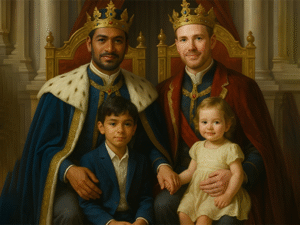
Among contemporary hawaiian fiction novels, Tides of Legacy offers a moving story that combines family, leadership, and enduring love. Set in a sovereign Hawaiian kingdom where tradition and progress exist side by side, the novel follows King Colton and his husband, Elijah, as they redefine modern leadership through compassion, courage, and unity.
Honolulu by Alan Brennert
Honolulu tells the story of a Korean “picture bride” who arrives in Hawaii hoping for a better life. Instead, she faces hardship, cultural challenges, and unexpected opportunities. This powerful story blends romance, determination, and family legacy, making it one of the standout hawaiian fiction novels for historical fiction readers.
Hawaii by James A. Michener
For readers who enjoy sweeping family sagas, Hawaii remains a classic. The novel traces generations of settlers, immigrants, and Native Hawaiians, showing how different cultures shaped the islands over centuries. Its focus on heritage and family history makes it a strong example of enduring hawaiian fiction novels.
The Last Aloha by Gaellen Quinn
Readers who appreciate royal fiction books may find The Last Aloha especially appealing. Set during the final years of the Hawaiian monarchy, the novel follows Laura Jennings as she becomes involved with the royal family and uncovers secrets within her own family history. The story skillfully blends romance, political conflict, and legacy.
Royal Fiction Books and the Legacy of the Hawaiian Monarchy
The Real History Behind the Stories
The Hawaiian kingdom had a documented royal lineage with its own political intrigue, strategic marriages, diplomatic maneuvering, and eventual collapse under American annexation. For writers of royal fiction books, this is extraordinary source material because it actually happened.
Novels that draw on this history carry a particular kind of poignancy. Readers aren’t just watching fictional royalty navigate power. They’re encountering the echoes of a real civilization’s rise and loss. Royal fiction books grounded in Hawaiian history tend to handle romance and legacy with more weight precisely because the grief underneath them is historically genuine.
How Romance Deepens the Narrative in Hawaiian Fiction Novels
Romance in Hawaiian fiction novels rarely exists in isolation. It’s almost always entangled with something larger: family obligation, cultural identity, the tension between tradition and modernity.
A love story set against the backdrop of a declining royal family carries different emotional weight than one set in a contemporary city apartment. The stakes are wider. The choices more costly. Characters in these narratives aren’t just choosing a partner; they’re often choosing what version of their heritage they’re willing to carry forward.
Conclusion
The best Hawaiian fiction novels aren’t escapism in the traditional sense. They ask you to sit with complexity, the beauty and the loss, the romance and the responsibility, the family bonds that sustain and sometimes suffocate. Royal fiction books rooted in Hawaiian history carry that complexity particularly well, because the history demands it.
If you haven’t explored this corner of fiction yet, the combination of cultural depth, emotional richness, and romantic tension makes Hawaiian fiction novels worth finding. Some stories don’t just transport you. They make you feel the ground shifting under your feet.