Skip to content

There’s something quietly addictive about stepping into the past. Not in a textbook way, where dates and names pile up, but in a lived-in, almost sensory way. You can hear the clatter of horses on cobblestone streets, feel the tension in a royal court, or sense the fear of ordinary people caught in extraordinary moments.
That’s the pull of historical fiction books. They don’t just tell you what happened. They let you experience it. But what exactly makes them so hard to put down?
The Blend of Fact and Imagination
At their core, historical fiction books sit in a fascinating middle ground. They borrow real events, real settings, sometimes even real people, and then layer in imagined lives and personal stories. That combination does something powerful.
History on its own can feel distant. Fiction on its own can feel detached from reality. Put them together, and suddenly the past feels immediate and personal. You’re not just reading about a war.
You’re following someone who has to survive it. You’re not just learning about a political shift. You’re watching how it reshapes relationships, loyalties, even identities.
Characters Who Carry the Weight of Their Time
Strong characters exist in every genre, but in historical fiction books, they carry an extra burden. They aren’t just dealing with personal struggles. They’re navigating the rules, limits, and expectations of a completely different era.
Think about it. A decision that feels simple today could have been dangerous or even unthinkable in the past. That tension adds depth. A character isn’t just choosing between right and wrong. They’re choosing between survival and belief, between duty and desire.
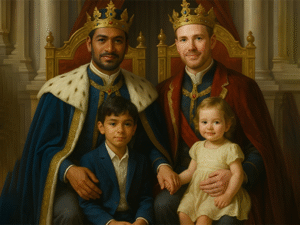
In Weight of the Crown by Samuel Clark, for instance, the idea of responsibility isn’t abstract. It feels heavy, almost physical. Power comes with consequences, and every choice echoes beyond the individual. That kind of storytelling in emotional books reminds you that history wasn’t shaped by perfect heroes. It was shaped by flawed people making difficult calls.
A Window into Worlds We Can’t Experience
You can travel, read, watch documentaries, but there are places and times you’ll never truly access. That’s where historical fiction books step in. They recreate everyday life. The small details matter. What people ate. How they spoke. What they feared. What they believed about the world.
These details don’t just decorate the story. They anchor it. A well-written scene can make you forget you’re reading at all. You’re just there, walking through a crowded marketplace or standing in a quiet, candlelit room, listening to a conversation that could change everything.
The Emotional Connection to History
Facts rarely make people emotional. That’s one of the biggest reasons historical fiction books resonate so deeply. They take events we might have skimmed over in school and give them emotional weight.
Suddenly, a historical event isn’t just important. It’s heartbreaking. Or inspiring. Or frustrating. You start to care about outcomes you already know. That’s the strange magic of it.
Even if you know how history unfolds, you still hope for a different ending for the characters you’ve come to care about. And sometimes, that emotional connection changes how you see the present. You notice patterns. You recognize echoes of the past in modern life.
The Tension Between Accuracy and Storytelling
Not every reader thinks about this, but it’s always there in the background. How much of the story is real? How much is imagined?
Good historical fiction books handle this balance carefully. They respect the time period without becoming rigid. They tell a compelling story without bending history beyond recognition. It’s a delicate line. When done right, you don’t question it. You just trust the world you’re in.
And that trust is everything.
Why Readers Keep Coming Back
There’s a reason people return to historical fiction books again and again. It’s not just about learning something new. It’s about feeling something familiar in an unfamiliar setting.
Human nature doesn’t change as much as we think. Ambition, love, fear, loyalty, betrayal. These things show up in every century. Seeing them play out in different contexts makes them feel fresh. It also makes them clearer.
You start to understand that the past isn’t as distant as it seems. It’s layered into everything around us.
The Bottom Line
The best historical fiction books don’t just recreate the past. They make it breathe. They give voice to people who might have been forgotten and meaning to moments that shaped the world in quiet ways.
And maybe that’s the real reason they’re so engaging. They remind us that history isn’t a collection of events. It’s a collection of lives. Once you see it that way, it’s hard to look away.